Honeycomb Board Retail Displays for Fast-Changing Seasonal Campaigns
Deepavali, Christmas, Chinese New Year, Hari Raya: the shop floor changes every few weeks. Here is the board that builds fast, stays flat and leaves in the paper recycling.
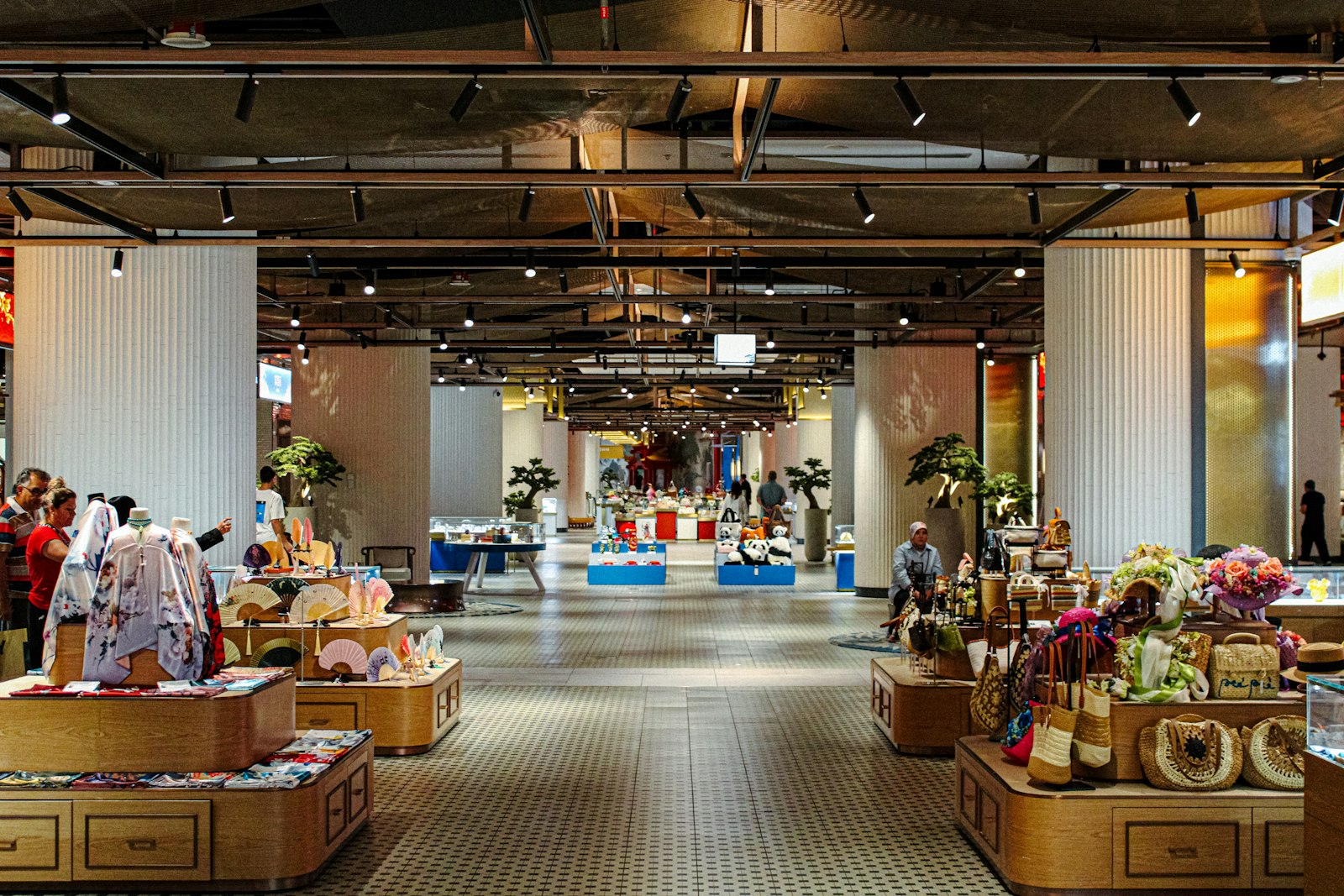
Honeycomb board retail displays suit fast-changing seasonal campaigns because the sheet is rigid, light and cuttable: a visual merchandising team can build a window feature, a podium or a brand wall in a day, one person can carry and install a full 2.4m x 1.2m panel, it stays flat under shop lighting where foam board warps, and at the end of the campaign the whole build goes into ordinary paper recycling.
In Malaysia the retail calendar barely pauses. Chinese New Year hands over to Hari Raya, then the mid-year sales, Deepavali and Christmas, and each change means new props across every branch. This article covers what to build from honeycomb board, why it wins on install night, what it does to the cost per campaign, and where it is the wrong choice.
What retail displays can be built from honeycomb board?
Window displays and oversized props: giant lanterns, gift boxes, ketupat shapes, snowflakes and product replicas cut from 30–50mm sheet, painted or wrapped in printed paper. Podiums and risers from 20–30mm sheet with a simple slotted base, strong enough for folded apparel, cosmetics and boxed goods. Brand walls and gondola-end features built as flat panels with laminated or vinyl graphics, hung on the existing fixture or freestanding with a foot.
Finishing is flexible. The kraft face takes emulsion and spray paint directly. For full-colour graphics, a printed litho or digital sheet is laminated to the face, or vinyl is applied over the kraft. Edges can be left open to show the hexagonal cells, taped with kraft or capped with a laminated strip, so the same sheet works for a rustic Hari Raya bazaar look or a glossy Christmas campaign.
Why it wins on install night
Retail installs happen after closing, often by one merchandiser with a trolley and a few hours before the doors open. A full-size honeycomb panel is a one-person carry through a mall service corridor; the MDF equivalent needs two people and a lift booking. Panels cut cleanly with a knife or on a CNC router, slot together without tools, and fix to fixtures with tape, hook-and-loop or a few screws into a batten.
Under shop lighting the board stays flat for the whole campaign. Foam board warms and bows within days, which is why rippled headers and leaning standees appear a week after launch. A display that is still flat at week six looks the same as it did at launch, so fewer call-outs to fix it.
Cost per campaign for honeycomb board retail displays
Per sheet, honeycomb board costs more than foam board and less than MDF. The campaign-level saving is elsewhere: fewer install hours because one person can do it, lighter and smaller consignments when the same props ship to many branches, props that can be reused for next year's campaign if kept dry, and no skip hire at strike because every panel goes into the paper recycling the store already uses.
That last point matters more each year. Retailers with ESG reporting and packaging-waste obligations count what leaves the back door, and a mono-material kraft build that recycles with the cartons is easier to report than mixed foam and plastic. An illustrative scenario: a chain running five festive campaigns a year across many branches can route every campaign display into paper recycling instead of a skip, without changing how the visual merchandising team works.
Where it is the wrong choice
It is paper. Displays in wet-cleaned areas, next to fresh-produce misters or in an open-air entrance need a coated or laminated sheet, and nothing should sit in rain unprotected. Heavy products such as glassware, small appliances or stacked footwear need a timber or metal frame inside the honeycomb, not a single sheet on its own. Malls set their own fire rules for display materials; check the tenant fit-out guide before a large window build and ask us about specification if a rated finish is required.
Frequently asked questions
Is honeycomb board strong enough for a retail podium or riser?
Yes, for typical merchandise. A 20–30mm sheet with a slotted or boxed base carries folded apparel, cosmetics, footwear and boxed goods, and engineered honeycomb reaches compression strengths of around 12kN. For heavy items such as glassware or small appliances, build a timber or metal frame inside and use the honeycomb as the skin.
How long does a honeycomb board display last in a shop?
Indoors and kept dry, it lasts the full campaign and usually several more. It stays flat under shop lighting and does not bow like foam board. Props stored flat in a dry back room can be repainted or rewrapped for the following year. Avoid wet-cleaned floors, misted produce areas and open-air entrances unless the sheet is coated.
Where can retailers in Malaysia buy honeycomb board for displays?
phb manufactures honeycomb board in Balakong, Selangor and supplies retailers, display builders and agencies across the Klang Valley and nationwide. Sheets come up to 2.4m x 1.2m in thicknesses from 10mm to 50mm. Message +6016-891 6381 on WhatsApp for a sample kit, or order by the pallet ahead of a campaign.
Plan your next campaign build with us
Tell us the campaign, the number of branches and the finish you have in mind. We will specify the sheet, send a sample kit to cut and paint, and quote by the pallet.